

Whether you are forming your first company or expanding into a new area, it is important to properly account for start-up and organizational costs.
Sustainable Value
Premier contractors operate on principles that produce sustainable value, consistent quality and high return on investment. Many lesser-quality contractors skirt the law, limit compensation and eliminate benefits, safety and training programs in order to hit the low cost bid. How do construction leaders communicate their superior value so owners and developers can avoid the risks and hidden costs associated with second-rate contractors?
Often low price wins the job, but does it deliver best value and return on investment?

Understanding indemnity, its effect on your business, and how you can prepare for indemnity clauses in your contracts can save your business.

Texas Contractors - Are You Aware of all the New Updates on Texas Lien Laws and How this Affects Collecting on Your Construction Projects? Don't Work for Free in the New Year!

C3 expanded to incorporate projects in Austin and Lake Charles. Its educational offerings grew to include both NCCER and OSHA courses that increase the ability of contractors to...

In less than eight months, Chamberlin provided superior waterproofing and roofing services in a timely manner with special considerations for quality control and safety. The...

Cash flow became especially important when pandemic-induced labor shortages, supply chain disruptions, rising materials costs, operational restrictions, and project cancellations...
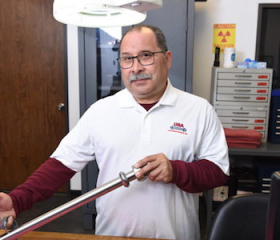
We often talk about the latest tools and equipment used in the construction and manufacturing industries. Those tools and equipment also need to be maintained and calibrated...
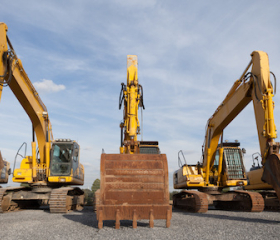
Good equipment management goes beyond just effective procurement; it is also about efficient operations, smart maintenance, and detailed, on-the-go monitoring.

In this situation, we adjust our processes to be prepared for the unknown. Or, more specifically, we adjust the language in our bids and contracts to be as flexible as we have to...
